
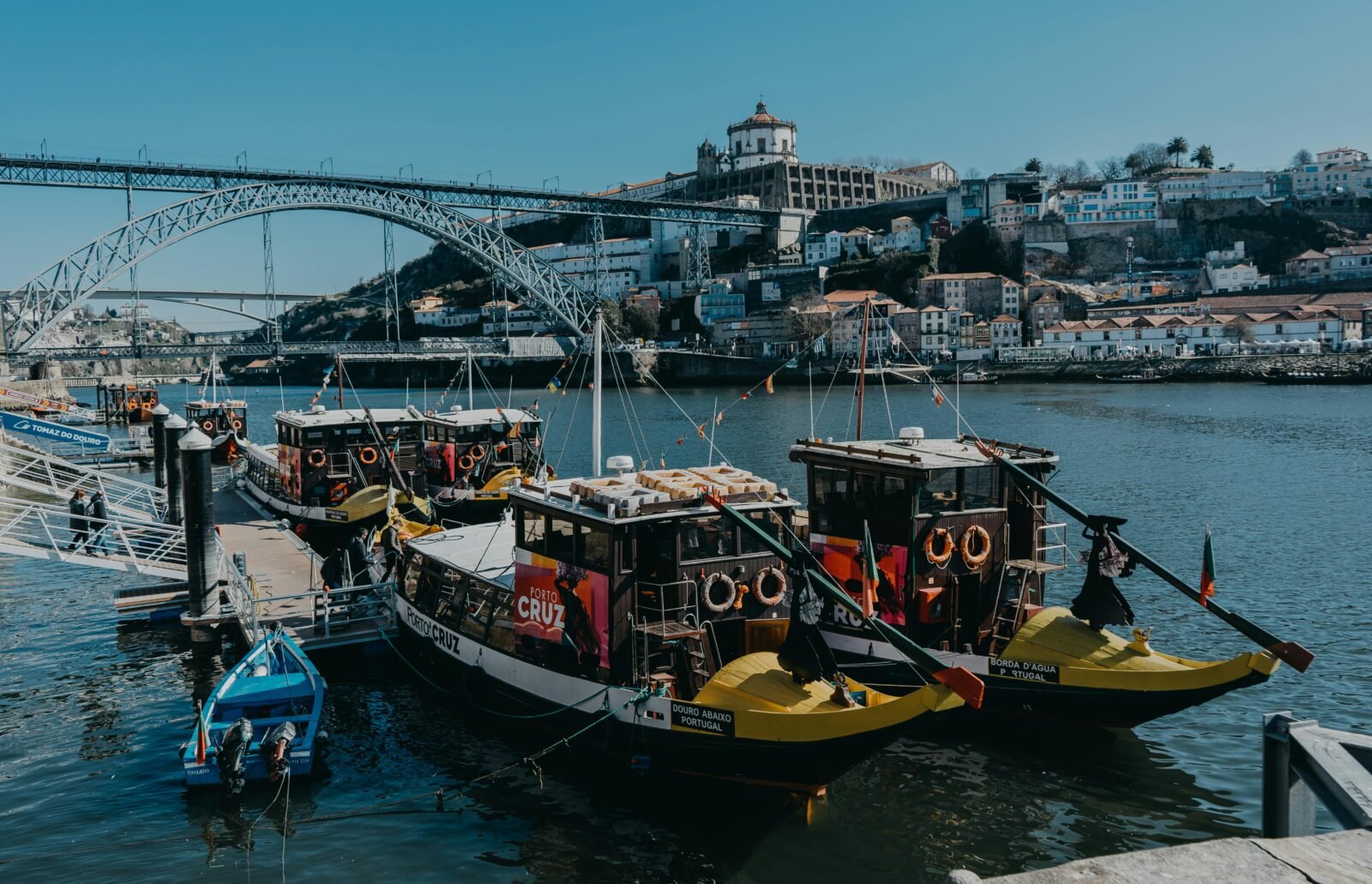
Tucked along the banks of the Douro River in northwest Portugal, Porto is one of the best-kept secrets in Western Europe and one of its most affordable cities. While popular hotspots like Paris and Barcelona can drain your wallet within days, Porto lets you wander cobblestone streets lined with azulejo-tiled facades, sip world-famous port wine straight from the barrel, and feast on hearty Portuguese cuisine without watching every euro.
Whether you’re a backpacker stretching a tight budget or a traveler who simply loves great value, Porto delivers experiences that feel anything but cheap. This Porto budget travel guide walks you through a complete 3-day Porto itinerary, covering where to stay, what to eat, how to get around, and the best free and low-cost things to do all designed to help you experience the city for around €40–€60 per day.
Why Porto Is Perfect for Budget Travelers
Porto checks every box for the cost-conscious traveler. Here’s why it stands out:
Cheaper than Lisbon. Accommodation, food, and drinks in Porto typically cost 20–30% less than in Portugal’s capital. You’ll find hostels, local tascas, and wine bars at prices that feel almost too good to be true.
Walkable historic center. Porto’s UNESCO-listed Ribeira district, the cathedral, and most major attractions are all within walking distance of each other saving you money on transport before you’ve even bought a ticket.
Affordable food and wine. A hearty lunch menu (menu do dia) at a local restaurant costs €8–€12 and includes a starter, main course, drink, and dessert. A glass of house wine can be as little as €1.50.
Low-cost attractions. Many of Porto’s most iconic experiences strolling the Ribeira, crossing the Dom Luís I Bridge, watching the sunset over the Douro are completely free.
Average Travel Costs in Porto
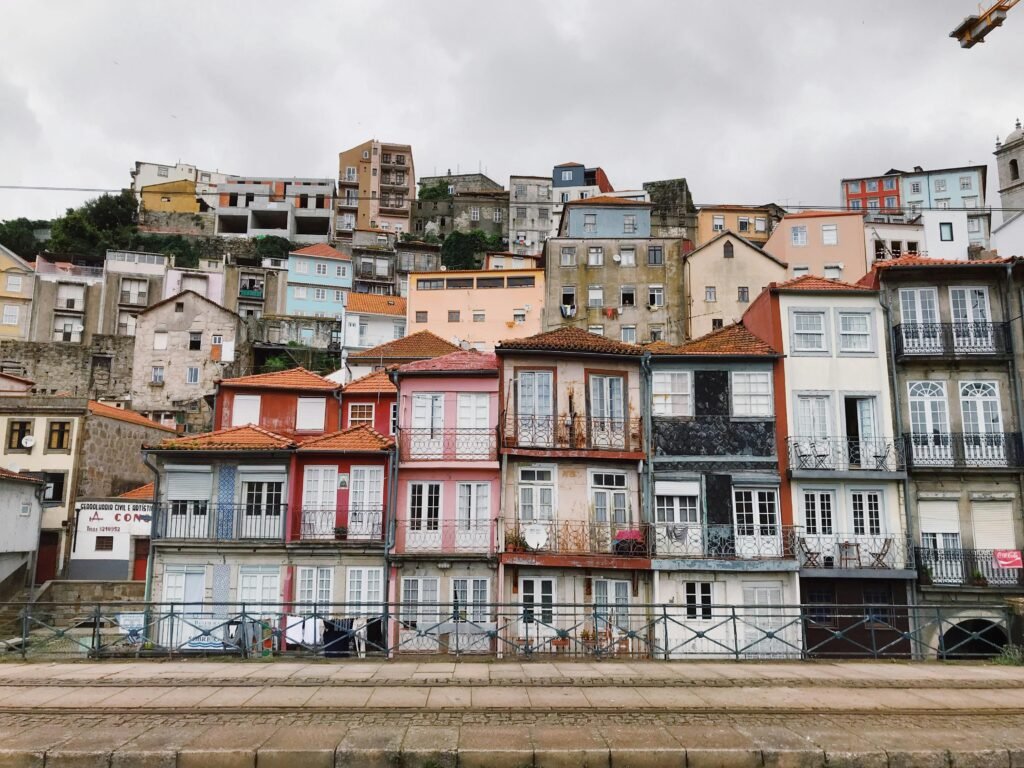
Before you pack your bags, here’s a breakdown of typical Porto travel costs to help you budget for your trip.
Accommodation
Hostels with dorm beds run €18–€35 per night. Porto has an excellent hostel scene with sociable common areas, free walking tours, and great locations in the historic center. Budget hotels and guesthouses typically cost €60–€90 per night, with many well-located two- and three-star options near Ribeira offering clean, comfortable rooms at very reasonable rates.
Food
Breakfast at a local bakery will cost you just €3–€5 a pastel de nata (custard tart), a toasted sandwich, and a coffee won’t set you back more than a few euros at any neighborhood pastelaria. For lunch and dinner, local restaurants charge €8–€15 per person. Stick to neighborhood tascas away from the main tourist drag for the best value.
Transport
A single metro ticket costs €1.80, and Porto’s metro is clean, reliable, and easy to navigate. For a full day of unlimited metro, bus, and tram rides, the Andante 24-hour transport pass costs around €7.00 ideal if you plan to explore beyond the city center.
Cheap Places to Stay in Porto
Finding affordable accommodation in Porto is easier than in most European cities of comparable charm.
Best budget hostels. Porto has a thriving hostel culture. Look for well-reviewed options in the Bonfim and Baixa neighborhoods they’re close to the action but tend to have lower prices than hostels right on the riverfront.
Budget hotels near Ribeira. The Ribeira waterfront is Porto’s most atmospheric area. Budget hotels here book up fast, so reserve at least 3–4 weeks in advance. Expect to pay €60–€80 for a basic double room in a good location.
Cheapest areas to stay. For the lowest prices, look at the Campanhã and Lordelo do Ouro neighborhoods they’re a metro or bus ride from the center but can save you €15–€25 per night compared to staying in the historic core.
Best Free and Cheap Things to Do in Porto
Porto punches well above its weight when it comes to free experiences. Some of the city’s most memorable moments cost absolutely nothing.
Walk the Ribeira district. Porto’s riverside neighborhood is a UNESCO World Heritage Site and entirely free to explore. Wander its narrow lanes, admire the colorful building facades, and soak in the atmosphere along the waterfront promenade.
Visit Livraria Lello’s exterior. The famously ornate bookshop said to have inspired J.K. Rowling charges a small entry fee, but its stunning Art Nouveau façade can be admired for free from the street outside.
Cross Dom Luís I Bridge on foot. Walking across this iconic double-deck iron bridge is free and offers spectacular panoramic views of Porto, Vila Nova de Gaia, and the Douro River below.
Sunset at Jardim do Morro. Just across the bridge in Vila Nova de Gaia, this hilltop garden is the best free sunset spot in Porto. Arrive 30 minutes before dusk and you’ll understand why photographers love it.
Free church visits. Porto’s churches are architectural masterpieces. While Igreja de São Francisco and the Cathedral charge modest entry fees, many smaller churches including the beautiful Igreja do Carmo can be admired inside free of charge.
3-Day Porto Budget Itinerary
This 3-day Porto itinerary is designed to maximize your experience while keeping costs firmly in check. Estimated daily spend: €40–€60 including accommodation.
Day 1: Historic Center + Ribeira
Start your Porto adventure with the heart of the city.
Fuel up at a local pastelaria with a coffee and pastel de nata (under €3), then head to the Sé do Porto cathedral the climb is steep but free, and the views over the city are stunning. From there, explore the Ribeira district on foot, admiring the azulejo-covered buildings and following the river east toward the Cais da Ribeira waterfront. For lunch, find a tasca in Miragaia or Bonfim for a menu do dia (€8–€10 for a full meal with a drink).
In the afternoon, walk up to Livraria Lello to admire the exterior, then continue to Praça da Liberdade and the nearby São Bento railway station its extraordinary tilework is free to see and genuinely jaw-dropping. Round off the evening with a glass of wine (€1.50–€3) at one of the laid-back bars along Rua Galeria de Paris, Porto’s lively nightlife strip.
Day 2: Wine Cellars in Vila Nova de Gaia

Cross the river for Porto’s world-famous port wine experience.
Walk across the lower tier of Dom Luís I Bridge to Vila Nova de Gaia the crossing itself is free and the views are unbeatable. Spend the mid-morning at one of the port wine cellars (lodges) along the riverfront. Many offer guided tours with tastings for €10–€15; the Calem and Ramos Pinto lodges are popular and well-priced options.
For lunch, look for restaurants a block or two back from the Gaia waterfront for better prices on fresh fish and grilled meats. In the afternoon, make the climb (free on foot) up to Jardim do Morro for sweeping panoramic views of Porto across the water and stay for the sunset. It’s the best free viewpoint in the entire city.
Day 3: Foz do Douro Beach Walk
Follow the Douro River all the way to the Atlantic coast.
Take the metro or tram (€1.80) out to Foz do Douro, where the Douro River meets the ocean. Stroll the Jardim do Passeio Alegre park with a morning coffee, then walk the coastal promenade south along the Atlantic-facing beaches Praia do Molhe and Praia de Gondarém are both free and beautiful. For lunch, look for budget seafood restaurants a block or two back from the waterfront in Foz for the best prices.
In the afternoon, consider heading to the Serralves Foundation gardens (€5 on weekdays), a gorgeous contemporary art space set in extensive parkland. Then make your way back to the city for one final dinner end the trip properly with a traditional francesinha at one of the budget-friendly spots near the Bolhão market.
Cheap Food in Porto
Porto is a paradise for food lovers on a budget.
Francesinha under €10. Porto’s signature dish a layered meat sandwich smothered in a rich beer-and-tomato sauce — is available for under €10 at local spots in the Bonfim and Campanhã neighborhoods. Avoid the touristy restaurants near Ribeira, which can charge up to €18 for the same thing.
Local bakeries (pastelarias). Start every morning at a neighborhood bakery. A coffee and pastry combo rarely exceeds €3–€4, and the quality is consistently excellent across the city.
Budget seafood restaurants. Porto’s proximity to the Atlantic means fresh, affordable seafood year-round. Look for bacalhau (salt cod) dishes at local tascas for €9–€13 far better value than the waterfront tourist restaurants.
Bolhão Market. Porto’s newly renovated covered market is a great place to pick up fresh produce, local cheese, charcuterie, and ready-to-eat snacks at reasonable prices.
Budget Travel Tips for Porto
Use the Andante metro card. Load an Andante card at any metro station to access Porto’s metro, bus, and tram network at reduced per-journey rates. The 24-hour pass (€7) is excellent value if you plan to move around the city on any given day.
Walk everywhere. Porto’s historic center is compact and best explored on foot. The hills can be challenging, but the winding streets, hidden courtyards, and miradouros (viewpoints) you’ll discover make every climb worthwhile.
Visit museums on free days. Several of Porto’s museums offer free admission on the first Sunday of each month including the Museu Nacional Soares dos Reis. Check each museum’s website before your trip to plan accordingly.
Drink at the source. Buy wine and port directly from small tascas rather than hotel bars or tourist restaurants. House wine by the glass starts at €1.50–€2.50 in local spots.
Book accommodation early. Porto’s most affordable hostels and budget hotels fill up quickly, especially in summer. Book 3–4 weeks ahead to lock in the best rates.
Travel in shoulder season. Visiting Porto in April–May or September–October gives you mild weather, smaller crowds, and noticeably lower accommodation prices than peak summer.
Related: 3 Days in Lisbon Budget Itinerary: Explore the City for Less
FAQ
Is Porto cheaper than Lisbon? Yes, quite noticeably so. Accommodation and restaurant meals in Porto are typically 20–30% cheaper than in Lisbon. You’ll find more affordable hostels, cheaper lunch menus, and lower wine prices making Porto the better choice for budget-conscious travelers exploring Portugal.
How much money do you need per day in Porto? Budget travelers can comfortably cover accommodation, meals, transport, and a few attractions for around €40–€60 per day. Staying in a hostel dorm, eating at local restaurants, and sticking to free and low-cost sights keeps costs at the lower end of that range.
Is Porto walkable? Yes Porto’s historic center is very walkable and most major attractions are within easy reach on foot. That said, Porto is a hilly city, and some climbs between the riverfront and upper neighborhoods can be steep. Wear comfortable shoes, take your time, and use the metro when your legs need a break.
What is the best time to visit Porto on a budget? The shoulder seasons spring (April to May) and early autumn (September to October) offer the best combination of pleasant weather, fewer crowds, and lower prices. Summer (June–August) is the most expensive period due to high tourist demand.
Is Porto safe for budget travelers? Porto is consistently ranked among the safest cities in Europe. Petty theft can occur in crowded tourist areas, so take standard precautions with your belongings. Overall, the city is very welcoming and safe for solo travelers, couples, and families alike.